

Change Management in Systems Engineering is a cyclical process that systematically identifies, evaluates, approves, and implements changes to a system or product. The goal of change management is to maintain the integrity of the overall system, minimize risks from unforeseen side effects, and ensure seamless documentation for compliance purposes (i.e., an audit trail).
Far More Than a Formal Obligation
Change management is the tool that enables you to proactively navigate constant change. It enables you to confidently implement complex system changes while ensuring the integrity of your project data remains intact. Transform unpredictability into a strategic advantage and establish controlled adaptations as the foundation of your project’s success.
Why is Change Management Necessary?
Without a formalized Change Management process, projects risk losing control. The necessity arises from three central aspects:
- Error Minimization: A change to one requirement often impacts architecture, code, and test cases. Without analysis, hidden errors occur.
- Cost Transparency: Every change consumes resources. Change Management evaluates the business case before investments are made.
- Compliance & Liability: In safety-critical industries such as automotive and medtech, changes must be analyzed and approved in a provable manner to maintain the operating license.
How Does Change Management Work? (The Process)
A methodically sound engineering change cycle is far more than a purely administrative exercise; it is the strategic safety net that makes innovations in complex system environments manageable in the first place. Instead of leaving changes to chance, a structured process transforms every request into a controlled, transparent value stream. This protects the project team from side effects and ensures that every adjustment strengthens the system integrity.
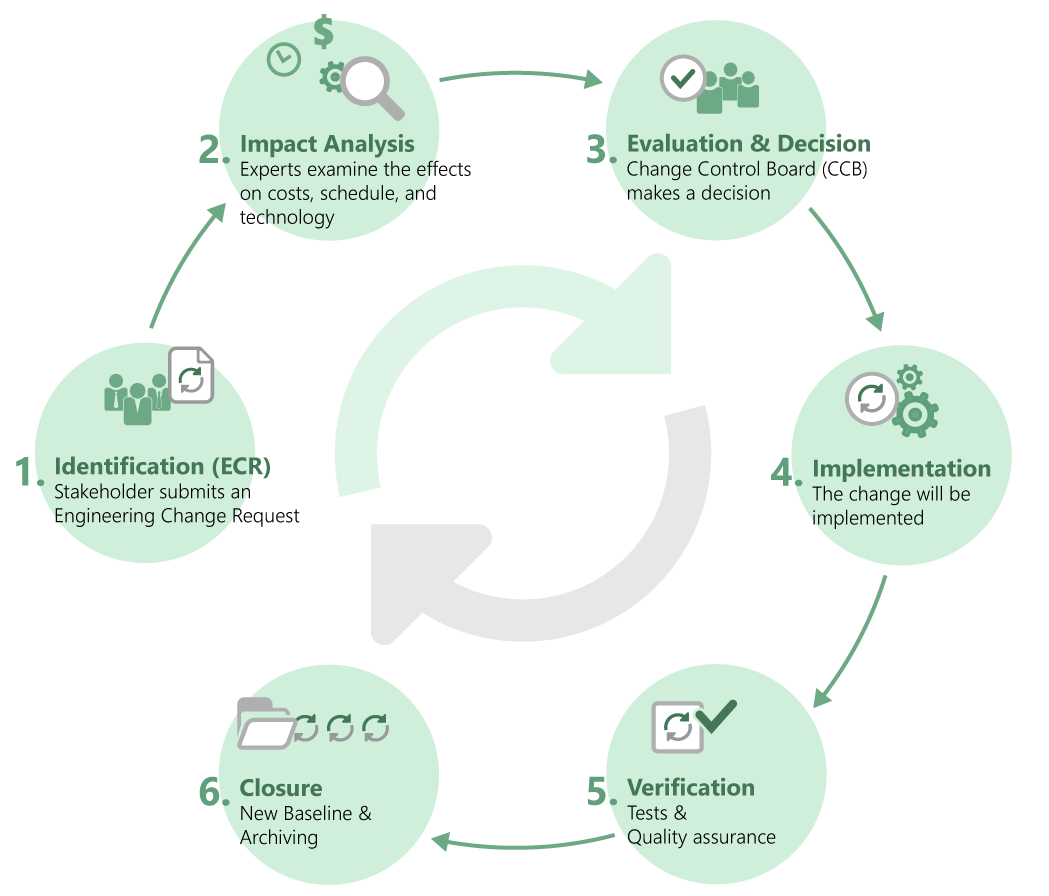
The journey from the initial idea to the final release in a new baseline follows these six decisive phases:
1. Identification (ECR)
A stakeholder submits an Engineering Change Request, documenting the problem and desired benefit.
2. Impact Analysis
Experts examine the effects on costs, schedule, and technology using tool-based traceability to visualize the “blast radius”.
3. Evaluation & Decision
The Change Control Board (CCB) reviews the analysis and makes a well-founded decision to approve, defer, or reject the request.
4. Implementation
The change is incorporated into the affected artifacts (e.g., requirements, SysML models, or code).
5. Verification
Tests ensure the change was implemented correctly and caused no regressions.
6. Closure
The new baseline is set, documentation is updated, and the change record is archived for future audits.
Who is Involved in Change Management? (Roles)
Change Management is teamwork. The following roles are essential :
- Requester: The initiator of the change (customer, management, or developer) .
- Change Manager: Coordinates the process and ensures workflows are followed .
- System Experts: Perform the technical impact analysis .
- Change Control Board (CCB): A cross-disciplinary committee that makes the final decision .
- Implementers & Testers: Technically implement and validate the change.
Engineering Change vs. Organisational Change
In business practice, the term “Change Management” often leads to misunderstandings because it is rooted in two completely different worlds. For systems engineers, this distinction is crucial: confusing these disciplines can result in either procedural gaps in technical execution or acceptance issues within the team.
When engineers speak of Change Management, they refer to Engineering Change Management (ECM). This addresses the “hard” side of development: the precise control of system states, ensuring data integrity, and adhering to strict compliance standards. In contrast, Organizational Change Management (OCM) focuses on the “soft” side—supporting people through transitions and change processes.
A successful project needs both: while ECM ensures that technical solutions remain error-free and traceable, OCM ensures that new tools (like objectiF RPM) or processes are actually adopted and lived by the stakeholders.
To avoid role conflicts and select the right methods, a clear definition of goals is essential:
| Engineering Change Management (ECM) | Organisational Change Management (OCM) | |
|---|---|---|
| Focus | Products, systems, software, documents | People, corporate culture, structures |
| Methods | ECR, Traceability, Versioning, Baselines | Kotter 8-Steps, ADKAR, Communication |
| Goal | Technical integrity & compliance | Acceptance & behavioral change |
| Primary Tools | ALM/PLM tools (e.g., objectiF RPM) | Workshops, coaching, stakeholder plans |
Change Management in Practice
Many teams manage changes in Excel lists or via countless emails. Consequently, the overview of dependencies is lost, impact analyses are fragmented, and vital proof of approvals is missing during audits.
objectiF RPM transforms static change management into a living process. Through native traceability, you can see the entire “blast radius” of a change request at the push of a button. Automated workflows (state machines) control the approval process, while integrated suspect linking immediately warns you if connected requirements might become invalid due to a change.

Efficient Change Management
Keep track of all Change Requests easily – objectiF RPM offers automated workflows and full traceability.
FAQ
What is an Engineering Change Request (ECR)?
An ECR is a formal document or data record that describes and justifies a desired change, submitting it for initial evaluation in the process.
How are Change Management and Traceability connected?
Traceability is the foundation of Change Management. Only those who know the links between requirements, design, and tests can accurately assess the impact of a change.
What is a Change Control Board (CCB)?
The CCB is a committee of stakeholders (e.g., project lead, architect, quality manager) that decides on the prioritization and approval of change requests.
Is Change Management necessary in agile projects (Scrum/SAFe)?
Yes, absolutely. In agile projects, Change Management happens “just-in-time”. Instead of a rigid board, the Product Owner often manages the backlog. Methodical Change Management ensures that even during fast sprints, the “blast radius” of a change is known, preventing technical debt.
Want to Know More?
Explore more knowledge base articles online or download one of our whitepapers.
What is Requirements Engineering?
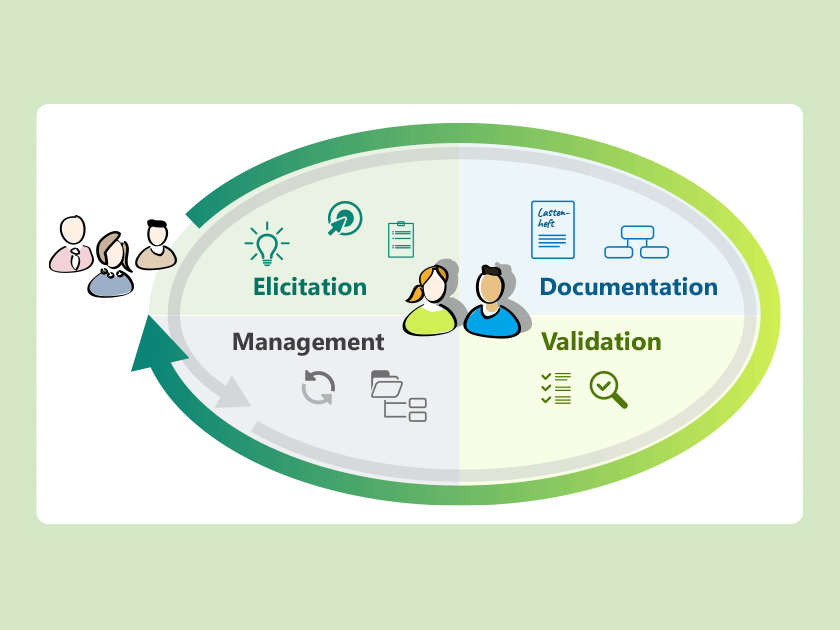
Requirements engineering (RE) involves eliciting, documenting, validating, and managing requirements. Learn how professional RE can safeguard your projects.
What is Project Management?
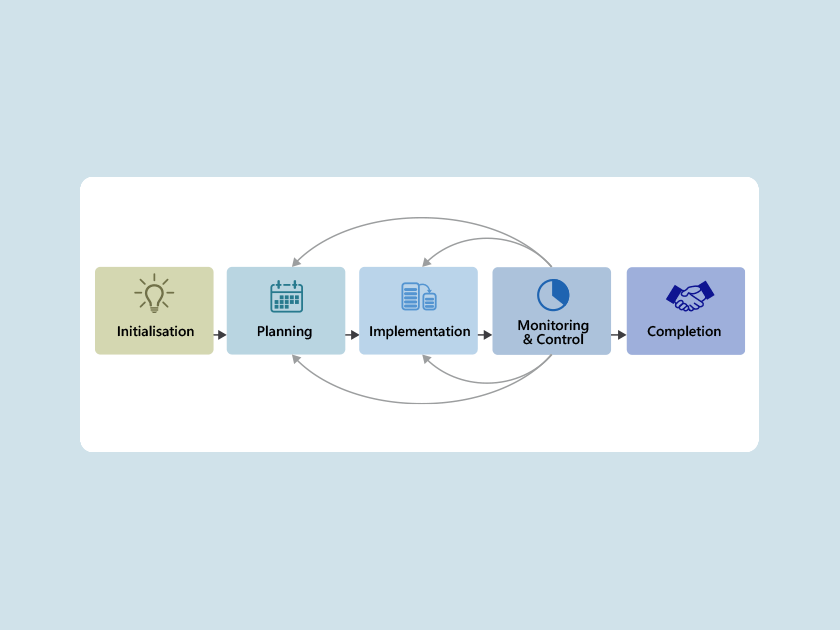
Project management provides structure, transparency, and planning certainty for complex projects. Using the right methods, clear processes, and centralized management, companies can balance time, budget, and quality, whether they use traditional, agile, or hybrid approaches.
What is Agile Project Management?
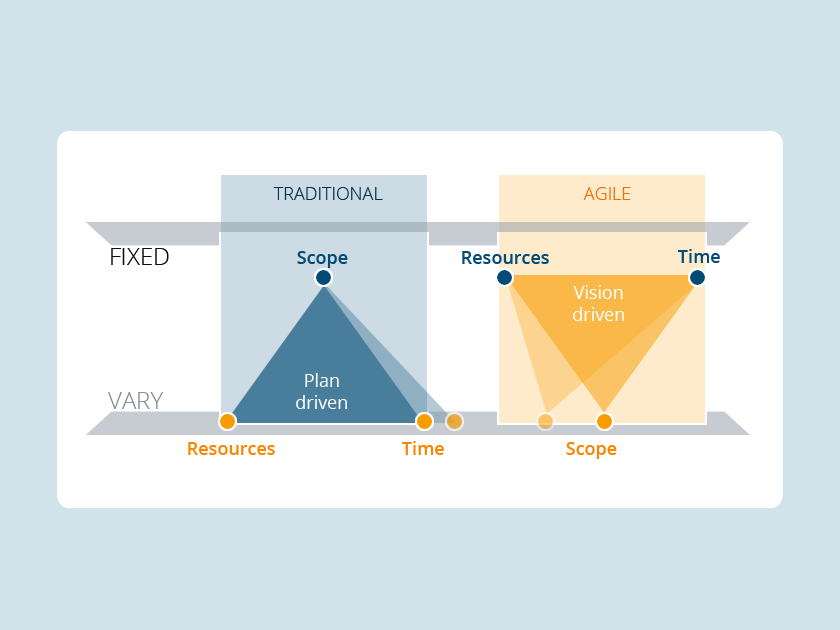
Agile Project Management Explained: An Overview of Values, Methods, and Benefits—Including a Comparison to Traditional Approaches