
Requirements elicitation is one of the core activities in requirements engineering. It involves actively searching for, identifying, and elaborating on requirements for a system. Unlike passive “gathering,” elicitation emphasizes the investigative nature of the work. The requirements engineer must apply targeted techniques to uncover stated wishes, unconscious needs, and implicit requirements from stakeholders and other sources.
Why Requirements Elicitation Is More Than Just Asking Questions
Many projects fail because requirements are overlooked or misunderstood. Requirements are often compared to an iceberg: only a small portion is visible (explicit), while the larger part lies beneath the surface (implicit or unconscious).
Requirements elicitation draws on communication psychology to uncover what lies beneath. The goal is to obtain the right knowledge at the right time from the right source at the right level of detail.
The Three Main Sources of Requirements
Before the elicitation process begins, potential sources of requirements must be identified. Three main categories are distinguished:
Stakeholders (People)
The first step in requirements elicitation is identifying and analyzing stakeholders, such as customers, users, administrators, and testers. They are the most important, but also the most complex, source. The objective is to recognize stakeholder influence, interests, subjective perceptions, and potential conflicts as early as possible.
Documents
In regulated environments especially, laws and standards should be analyzed. Process descriptions and defect reports from legacy systems can also provide valuable input. Requirements are often derived from these documents. While objective, this source is frequently outdated or inconsistent, which poses a risk.
Systems
Elicitation also includes analyzing existing legacy systems, competitor products, and interfaces. Suitable techniques include system archaeology (code and document analysis) and reverse engineering.
Elicitation Techniques
A requirements engineer needs a well-stocked toolkit of techniques. Depending on the project phase and the type of requirement (basic, performance, or excitement factors, according to the Kano model), the following approaches are commonly used:
- Questioning techniques: The classic approach includes interviews (structured or open) and questionnaires. This approach is well suited for capturing explicit knowledge. A key success factor is carefully designed questions.
- Observation techniques: These techniques are ideal when stakeholders struggle to articulate their tasks (“tacit knowledge”). Typical methods include field observation and apprenticeship (the requirements engineer learns from the expert). Intensive preparation is essential.
- Collaboration techniques: Requirements are elicited through direct collaboration with multiple stakeholders, for example, in requirements workshops. The downside is that it is resource-intensive in terms of people, rooms, infrastructure, time, and budget.
- Artifact-Based Techniques: These techniques are valuable when stakeholders are unavailable because they allow you to analyze work artifacts. Challenge: Separating relevant information from irrelevant information. The downside is that it is time-consuming.
Psychology & Communication
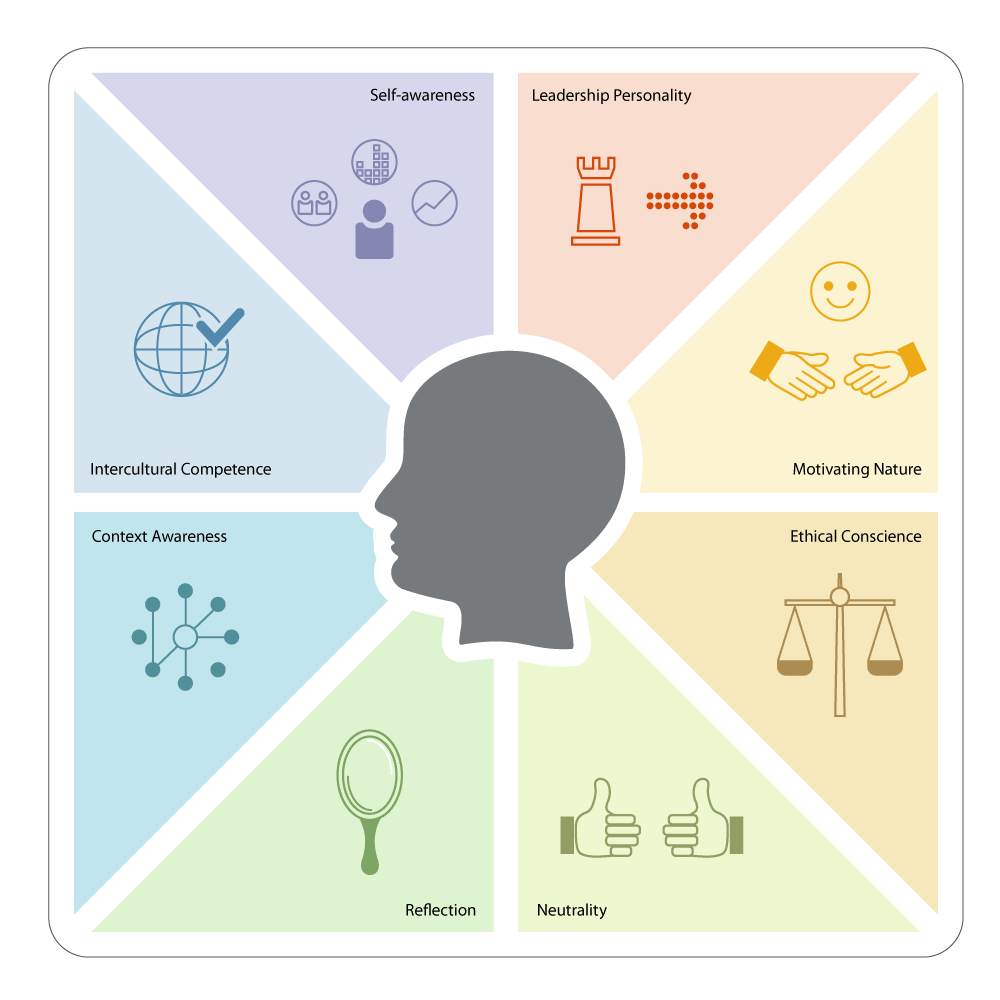
The success of requirements elicitation hinges on effective interpersonal interaction. A solid understanding of how people communicate is essential. In addition to knowing communication models, requirements engineers must be able to communicate effectively, minimize cognitive bias, facilitate discussions, resolve conflicts, and persuade stakeholders:
CPRE Advanced Level – Become an Expert
Requirements Elicitation is one of the most demanding disciplines in requirements engineering. IREB offers the CPRE Advanced Level Requirements Elicitation certification to professionals who:
- Manage complex stakeholder landscapes,
- want to tailor techniques precisely to the system context,
- need professional conflict management during the requirements phase.
The Journey from Knowing Something to Being Skilled at it
While a certificate is valuable, real impact comes from practical application. microTOOL offers official CPRE Advanced Level Requirements Elicitation Training an. In our online seminars, you won’t just prepare for the exam; you’ll practice the techniques using realistic scenarios.
The process of eliciting requirements typically produces massive amounts of unstructured data:
- Interview notes are stored as Word files on network drives.
- Workshop whiteboard photos are scattered across smartphones.
- Relevant standards and legacy documentation are buried in emails.
- Requirement fragments are hidden in Excel spreadsheets or ticket systems.
The problem is that no one knows which sources were analyzed or where the requirements actually originated.
objectiF RPM solves this problem by combining document management with requirements engineering. It becomes the single source of truth for your elicitation results.
- Integrated Document Management: Store all sources directly in the tool. Drag and drop PDFs (standards), image files (whiteboard photos), or Office documents (minutes) into the repository. Every document is securely versioned and centrally accessible.
- Direct Import: Why retype? Import content from Word documents and automatically generate requirements upon import.
- Traceability from Day One: Link stakeholders directly to the requirements they contributed in workshops. When questions arise later (“Who requested this feature?”), objectiF RPM provides the answer.
CPRE Certification by IREB
Our 3-day CPRE seminars for Foundation and Advanced Level combine methodological expertise with real-world relevance.
FAQ
What is the difference between "Requirements Gathering" and "Elicitation"?
“Gathering” implies that requirements are simply lying around, waiting to be collected. “Elicitation” recognizes that many requirements must be uncovered through targeted techniques, analysis, and creativity with stakeholders. Elicitation also uses techniques to extract unstated requirements, or “excitement factors” according to the Kano Model.
What is the best technique?
There is no universal “best” technique. The best technique depends on the system context, the stakeholders’ time and availability, and their level of knowledge, as well as the type of requirements. Using a mix of methods is usually the key to success.
Do I need programming skills for system archaeology?
While not essential, a basic understanding of technology is helpful. System archaeology often involves analyzing user interfaces, database structures, and interface descriptions to understand the behavior of a legacy system.
Want to Know More?
Explore more knowledge base articles online or download one of our whitepapers.
What is Requirements Engineering?
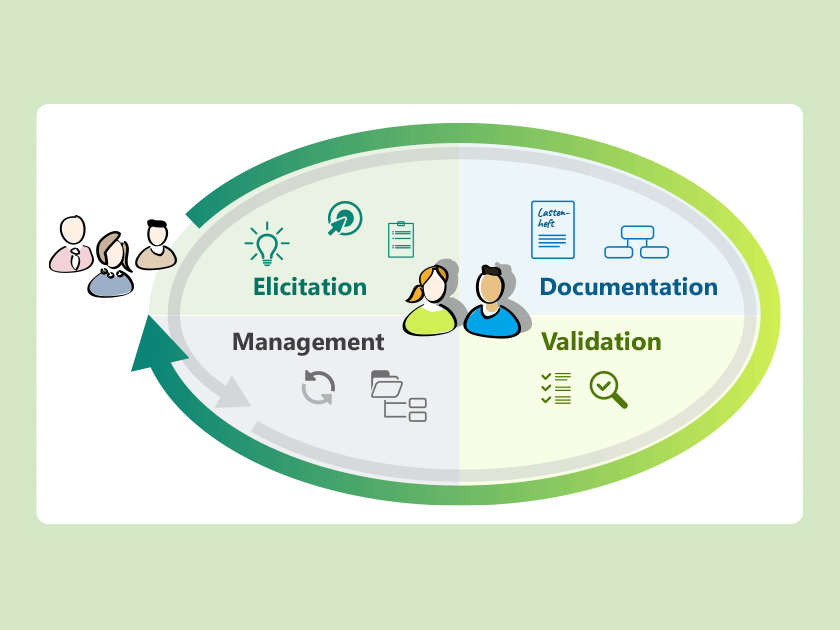
Requirements engineering (RE) involves eliciting, documenting, validating, and managing requirements. Learn how professional RE can safeguard your projects.
What is Requirements Management?
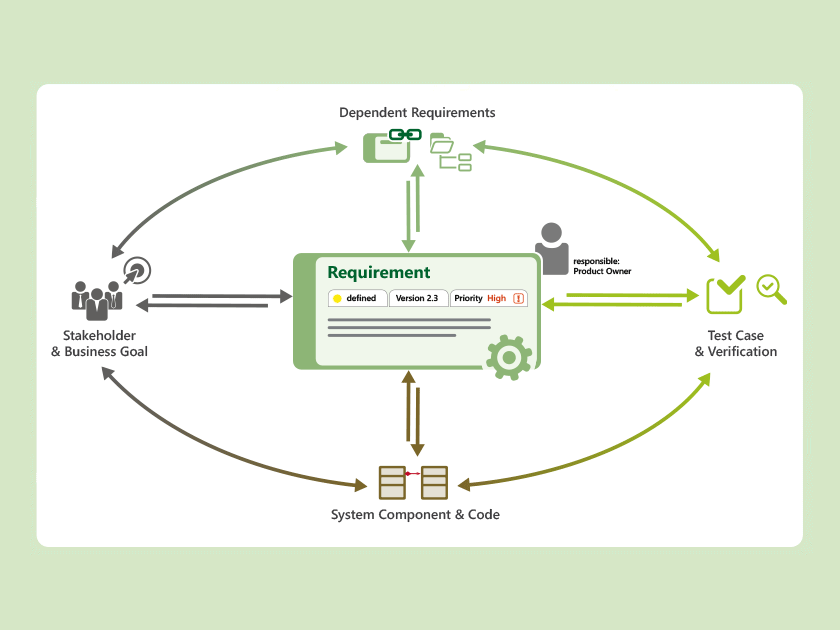
Requirements management (RM) involves managing requirements throughout their lifecycle. Learn how RM differs from requirements engineering and how tools can assist with the process.
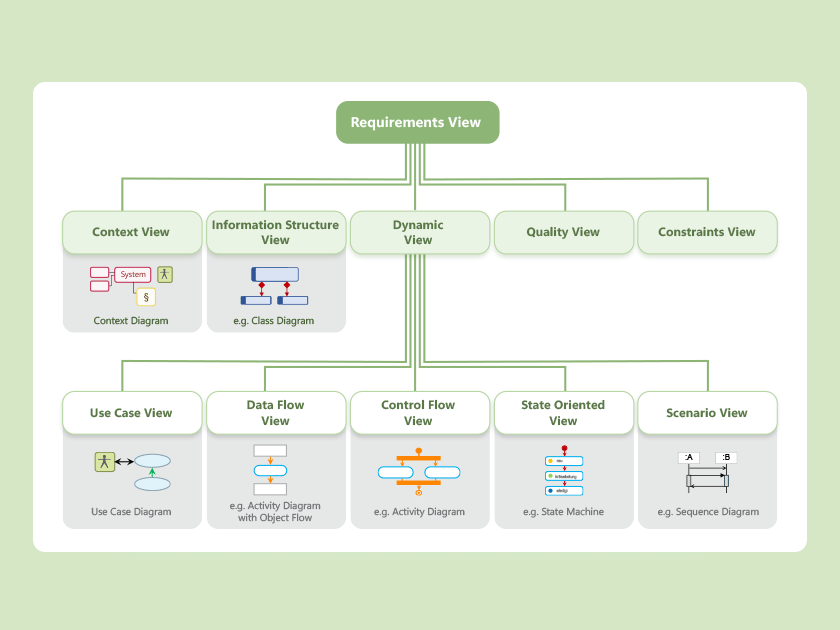
What is Requirements Modeling?
Learn about requirements modeling according to the IREB standard, including UML diagrams and modeling views, as well as the CPRE Advanced Level.
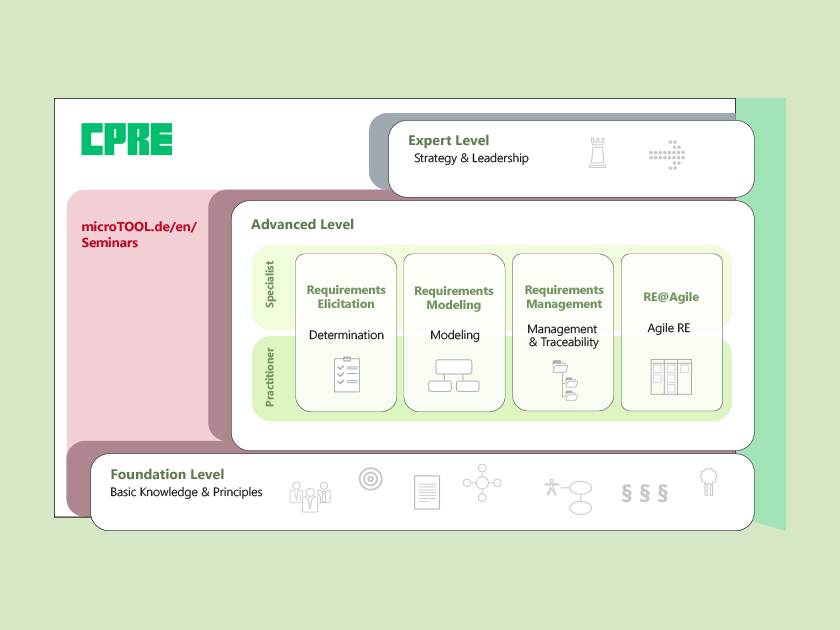
What is CPRE?
The CPRE (Certified Professional for Requirements Engineering) is the international standard for RE certification. Find information on the program’s content, levels, and exams.

objectiF RPM – Whitepaper
Increase your business agility. Get to know objectiF RPM in this whitepaper. From the needs of stakeholders to IT systems for successful business.

objectiF RM – Whitepaper
Requirements Engineering for Software and Systems. Read about benefits and options of objectiF RM in this whitepaper.