

Half the team is on vacation while the other half tries to stay afloat with ice cream and cold drinks. Fans blow warm air through the offices while you urgently need a decision from a colleague lounging on a beach in Mallorca.
It’s just a typical summer lull.
While vacation mode takes over the office, a major real-world project management exercise is unfolding outside. The train is delayed, the hotel room isn’t ready yet, the suitcase seems to be taking a vacation of its own, and the connecting flight departed long before you reached the gate.
Vacation mishaps and project management have more in common than you might initially think. Both start with a plan. Both involve dependencies, deadlines, and limited resources. With both, something is bound to come up at some point.
So, what can we learn from vacation mishaps to apply to successful project management?
The Hotel Room Is not Ready Yet
After a long trip, you’ve finally arrived. Your suitcases are sitting in front of the front desk. You’re looking forward to checking in, taking a shower, and relaxing.
“Unfortunately, your room isn’t ready yet.”
No problem. I’ll just have another coffee. But an hour later, there’s still no room available. I have to take care of something else first. Check-in can’t happen until the room has been cleaned. If housekeeping finishes later, everything that follows gets pushed back as well.
It’s no different with projects. One task can’t begin until another is finished. A development step waits for a requirement, a test waits for the finished feature, and an approval waits for the necessary information.
Dependencies should be visible. After all, if you know which tasks depend on one another, you’ll also recognize more quickly where adjustments may be necessary.
Days of Rain Instead of a Beach Vacation
The weather forecast predicted sunshine, temperatures in the 80s, and blue skies for the coming days.
The reality, however, was quite different: rain.
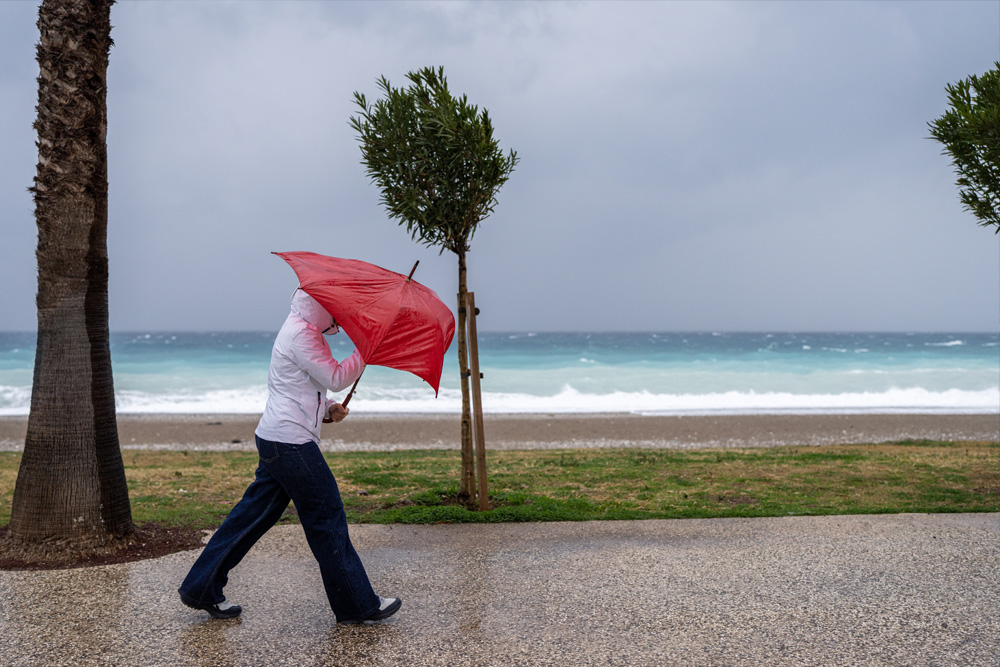
But not the romantic summer rain that inspires you to quickly snap a photo for Instagram. It was steady rain. For three days straight. The carefully planned beach day was canceled, as was the outing. Under these conditions, even the hike did not make much sense.
What now? You could stare at the weather app for three days and hope the weather changes. Or, you could accept that planning always involves uncertainty and come up with an alternative.
That is exactly what project management is all about. A project plan doesn’t guarantee that reality will align with it. Deadlines can shift, resources can fall through, requirements can change, and the framework conditions can suddenly change.
Good planning does not mean anticipating every eventuality. It means identifying relevant risks and being prepared when things don’t go as planned.
Your Favorite Restaurant Is Closed
You’ve been looking forward to this evening for weeks. It’s recommended in every travel guide. You’ve already studied the menu and maybe even reserved a table.
But then you see that sign: Closed.
Of course, that doesn’t mean your vacation is over. There are other restaurants. You might even find one that turns out to be better.
In projects, too, things don’t always go as originally planned. A planned solution might not work, a necessary resource might not be available, or a requirement might be adjusted. If you insist on sticking to the original plan, you’ll quickly hit a roadblock.
A good plan should provide guidance but not be restrictive. When conditions change, there must be an opportunity to explore alternatives and adjust decisions transparently.
Your Suitcase Did Not Make the Flight
While strangers’ suitcases spin in circles on the baggage carousel, yours has apparently decided to go on vacation somewhere else. Swimsuit? In the suitcase. Sunscreen? In the suitcase. Toothbrush? Of course, in the suitcase.
Suddenly, a necessary item is missing.
Projects face this situation, too. A necessary resource is unavailable, or important information is missing. The project can continue, just not exactly as originally planned.
Being transparent about resources, tasks, and dependencies helps you respond more quickly to bottlenecks. After all, surprises can’t always be avoided. However, you don’t have to be caught off guard by them for an unexpectedly long time.
The lost suitcase also teaches us that it’s amazing how many things we suddenly need urgently once they’re no longer there.
The Connecting Flight Has Left
The first flight was delayed. We had planned for a 45-minute layover. That should have been enough time.
But it wasn’t. By the time we arrived at the gate, the display had already changed to “Gate Closed.” The connecting flight had left.
A minor incident triggered a whole chain of consequences. The first flight was delayed, causing us to miss the connection. This pushed back the arrival time and may require rearranging the transfer. What was supposed to be a relaxing afternoon turned into an impromptu night at the airport hotel.
This is a good example of why dependencies and timing relationships are so important in project management. Not every delay stays where it originated. They can also affect subsequent tasks and deadlines.
If you’re aware of critical dependencies and monitor project progress transparently, you can identify delays earlier and take better corrective action. Of course, a generous time buffer also helps, whether you’re on vacation or working on a project.
What We Can Take Away from the Vacation
If the hotel room isn’t ready, we find a solution. If it rains, we change our plans for the day. If the restaurant is closed, we just go somewhere else.
Therefore, good project management doesn’t mean that everything goes according to plan. Rather, it means recognizing changes, understanding how things are connected, and maintaining the ability to act. In other words: On vacation, changing plans is part of the experience. In a project, changes are part of everyday life.
Perhaps the most important lesson is that: We can’t prevent the train from being late. But we can decide how to deal with it.
The microTOOL team wishes you a relaxing summer!